
A CLOSER LOOK / PRACTICAL GUIDE
The Garage Was Closed. Why Is It Open Again?
The moment the movement changed is often more useful than an early guess at the cause.
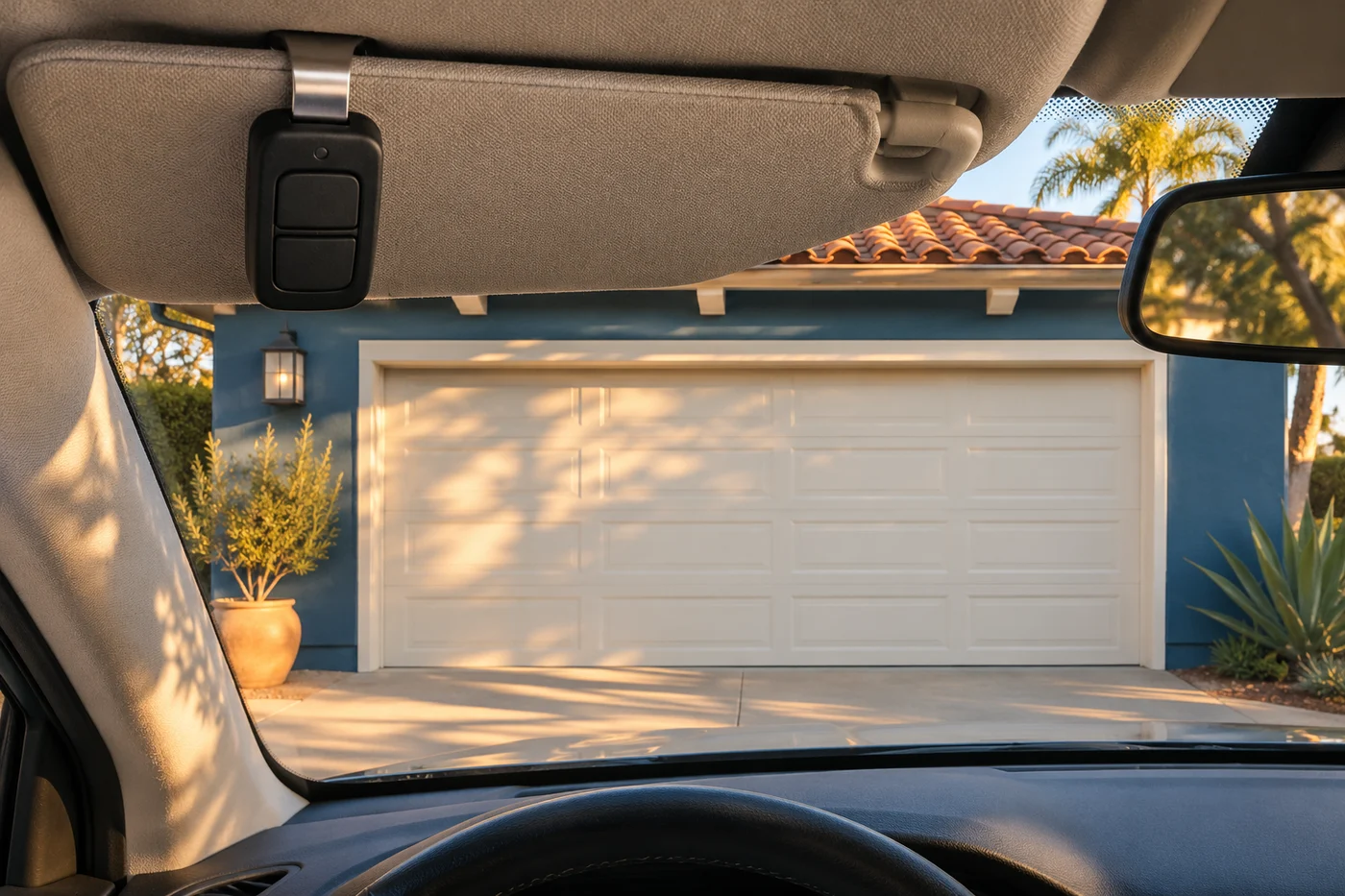
You find the garage open and think back to leaving. Did you watch it close completely? Did it immediately turn back? Or was it closed for a while before something else happened? It is fine not to know every part of that sequence.
A short, accurate account helps separate a reversal during closing from an unexpected activation later. It doesn't diagnose the equipment, but it gives the assessment a clearer starting point.
If the door turned back during closing
Describe whether the movement reversed before the door reached the floor or immediately after it appeared to close. Mention any uneven position, impact or unusual sound you had already noticed.
Do not keep operating a door that moves abnormally. Keep the opening clear and don't change force or travel settings, bypass safety systems or work on springs and cables. Appropriate checks depend on the door and operator.
If it was fully closed and later opened
Keep the two observations separate: when you saw it closed and when you found it open. Note any control used between those times that you know about. If someone else in the household used the garage, include their account rather than guessing.
Chamberlain's manufacturer guidance lists several possible sources of unintended activation, such as a stuck remote button, a control problem or an inadvertently programmed accessory. This does not establish which, if any, applies to your system. It also doesn't prove that someone else has accessed your garage.
Look for information you already have
An existing owner manual or service invoice may identify the operator and controls. Write down the model as shown. A controller that looks familiar may belong to a different generation of equipment.
If you can see a damaged or sticking button safely, mention it. Do not climb, disconnect wiring or open the operator to collect evidence. An assessment can establish details that aren't within safe reach.
A reset changes things
Erasing settings or following a universal reset video can affect other household controls without explaining the original fault. A shared garage can also have users and permissions managed by someone else.
Discuss the actual equipment and responsible owner before changing access settings. Comments about a recall, interference or a particular replacement part require their own manufacturer verification; they are not conclusions to borrow from another owner's story.
Bring the account back to normal use
A useful garage repair proposal identifies the problem being addressed and the work intended to resolve it. After agreed work, have the relevant normal operation and model-specific safety checks explained and demonstrated with people and vehicles clear.
Keep the equipment details, work record and any new instructions. For a Lynwood request, call LockReach at 424-789-8122. Regional garage information for Long Beach, Los Angeles and Torrance remains on separate pages.
Questions about this request
Does a garage opening later mean the motor is failing?
Not necessarily. Unintended activation can have several causes. The identified equipment and observations need assessment.
Should I recreate the fault before arranging help?
No. An accurate account is useful without extra operation of damaged or unpredictable equipment. Keep clear and describe what you already observed.
References: Chamberlain: Garage Door Activates on Its Own. Reviewed November 10, 2026. Technical examples apply to the identified equipment; local references do not imply affiliation.